Can a rocket engineer fix the housing shortage? Riley Meik thinks so, and his answer is one of the oldest home styles in America: the row house.
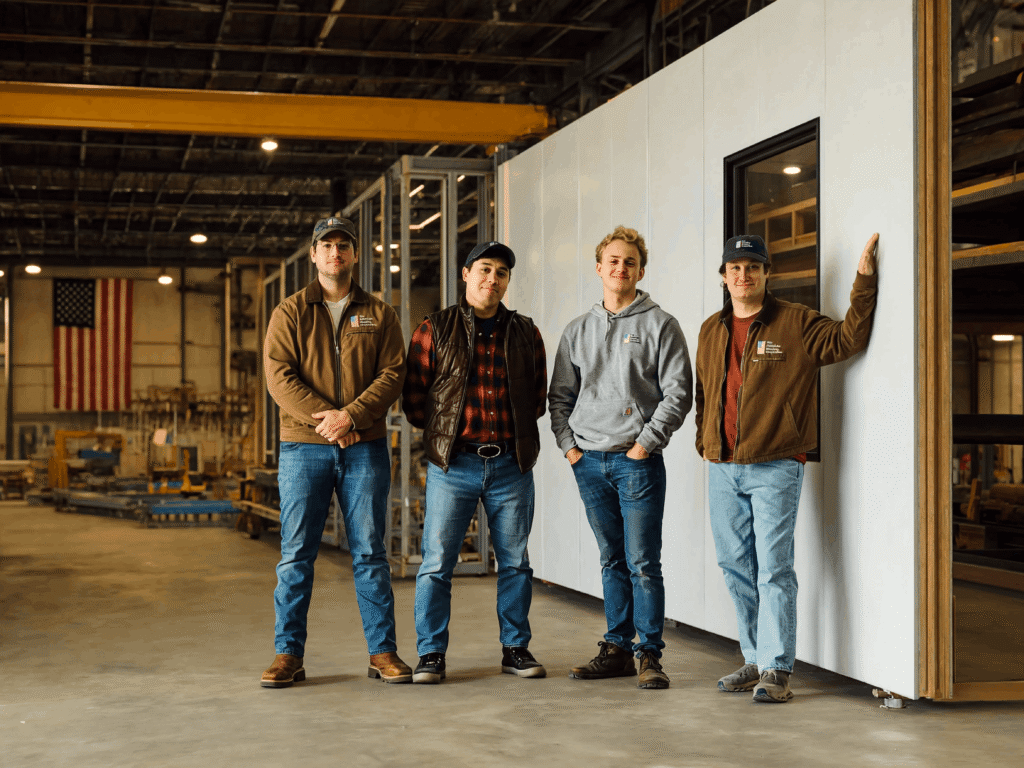
Meik is the co-founder and CEO of The American Housing Corporation, a startup based in Austin, Texas. Before housing, his background was aerospace. He co-founded a rocket company and worked on Starship manufacturing at SpaceX. That resume matters, because his whole approach to homebuilding comes from manufacturing, not from traditional real estate.
The problem he noticed
While working in Los Angeles, Meik talked with developers who owned land, held building permits, and still had not broken ground. They were waiting for construction costs to drop. When he visited construction sites to understand why building was so expensive, the answer looked obvious to an engineer: the process itself was inefficient. Cars, electronics, and rockets are built in factories with precision and repetition. Most homes are still built one at a time, outdoors, by crews assembling thousands of parts on site.
The bigger issue sits underneath that. America is actually good at building homes, but only one kind in one place. Large production builders put up well over a hundred thousand single family homes a year, almost all of them on the edges of metro areas. What the country stopped building is family-sized housing inside the city neighborhoods where people already live, work, and want to stay. Housing experts call this the missing middle: the townhomes, duplexes, and row houses that sit between a detached suburban house and a large apartment building.
Why the row house
Row houses are narrow, multi-story homes that share side walls with their neighbors. Walk through older neighborhoods in Brooklyn, Philadelphia, Baltimore, or San Francisco and you will see them everywhere. They pack real living space, often three or four bedrooms, onto small city lots, which is exactly what dense neighborhoods need. Yet almost nobody builds them anymore, because on a tight urban lot with today’s labor costs, traditional construction math rarely works.
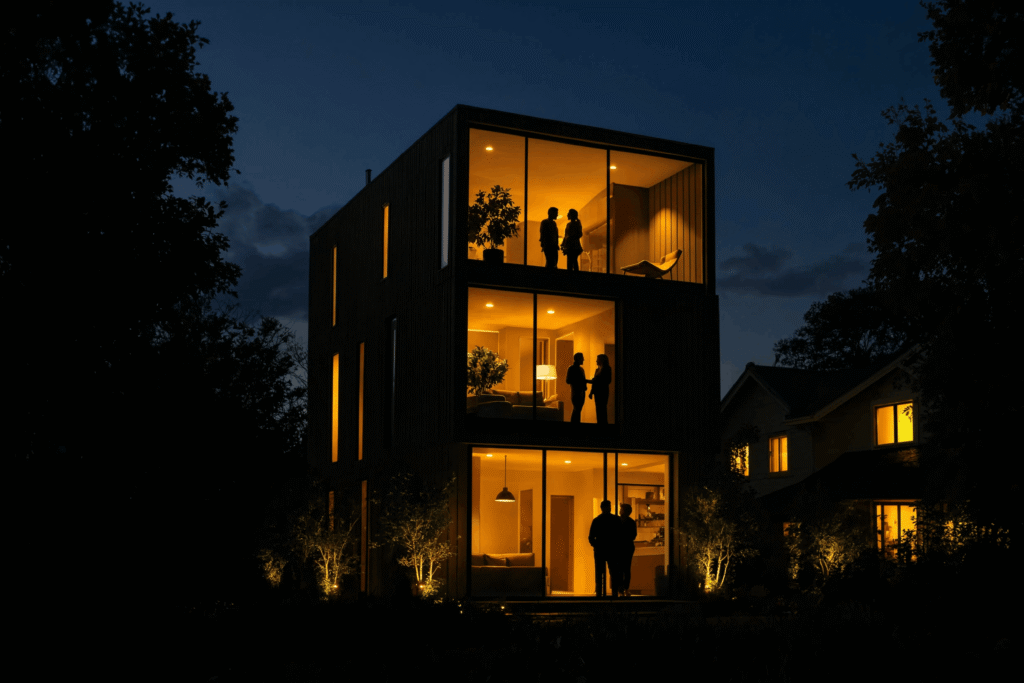
That is the gap The American Housing Corporation is trying to fill. The company was founded in 2024 by Meik along with Bobby Fijan, Harris Rothaermel, and William Davis, and opened its factory in Austin in 2025. Instead of framing homes on site, it manufactures a kit of parts, including wall panels and pre-assembled rooms, then ships them to city lots for fast assembly. The company’s first prototype went from manufacturing to installed and finished in about 13 weeks, a fraction of a typical build timeline. The long-term goal is a home that costs 30 to 50 percent less than comparable local construction.
Meik is careful about what the company is not trying to do. In his words, in hard tech you only want one miracle per business. So the design, the sales process, and the neighborhoods are conventional. The single bet is on how the home gets built. He has also said a buyer standing inside one of these homes should not be able to tell it came from a factory.
A reality check
It is early. As of spring 2026, the company had completed one prototype and had projects planned in Texas, New Mexico, California, Washington, and Montana, with none finished yet. The first Austin row houses are expected to sell for around $750,000, which is not an affordability breakthrough on day one. Factory-built housing has a long history of promising revolutions that stalled, from the Sears kit homes of a century ago to more recent modular startups that burned through funding. The idea is sound. The execution is the hard part, and the factory floor is where those promises get tested.
Still, the direction matters. If prefabricated construction can make small city lots profitable to build on again, it opens up housing supply in exactly the places where demand is highest.
What this means here in Madison
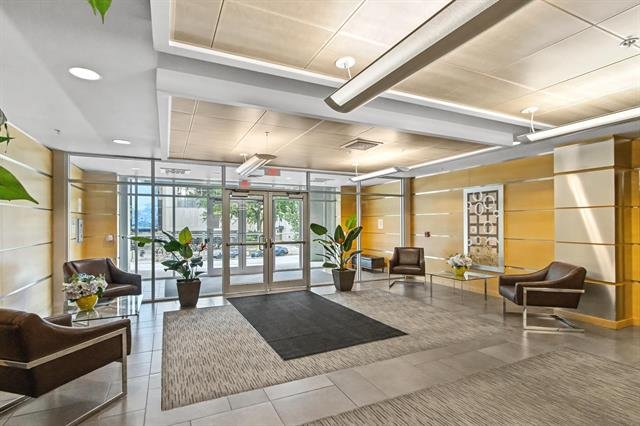
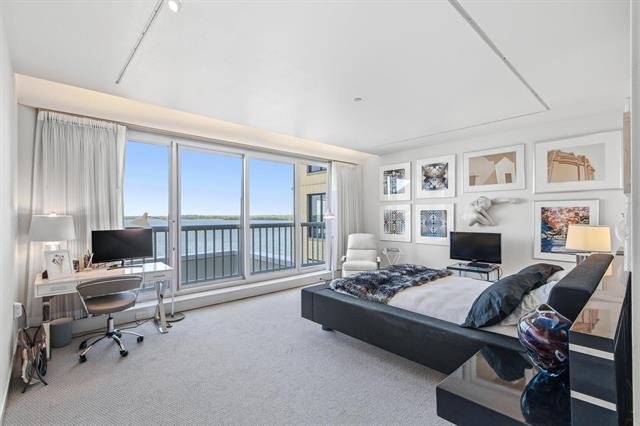
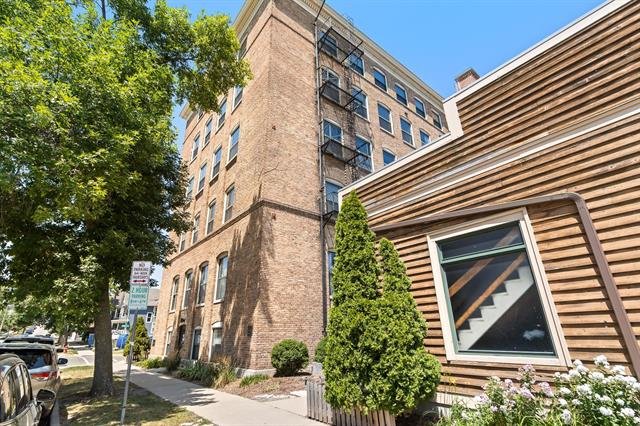
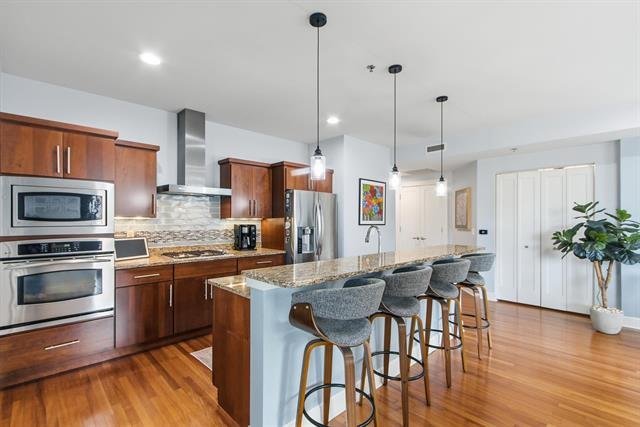
Madison faces its own version of the same squeeze. The Isthmus and the neighborhoods around the Capitol Square are some of the most desirable places to live in Wisconsin, and they are largely built out. New supply downtown comes mostly through condominium buildings, which serve a role a lot like the row house: family-sized and right-sized homes in walkable neighborhoods, close to jobs, restaurants, the farmers market, and the lakes.
That is worth remembering whether you are buying or selling. Homes in established, walkable Madison neighborhoods hold value precisely because building more of them is hard. Scarcity in the places people want to live is the quiet engine behind downtown condo demand, and it is not going away while the country figures out how to build the missing middle again.
If you are curious what that scarcity means for your own plans, whether that is finding a downtown condo or understanding what your current home is worth, take a look at the current condos and homes for sale in downtown Madison, or reach out through the sell your house in Madison page for a free home valuation. Local knowledge is the one thing no factory can prefabricate.